In peptide research, the quality of your results is inextricably linked to the integrity of your reagents. Melanotan-1 (MT-1), while structurally enhanced for stability, remains a delicate biochemical instrument. Improper handling, temperature fluctuations, or aggressive reconstitution can lead to peptide denaturation—effectively rendering an experiment moot before it even begins. For researchers across the Midwest, maintaining a strict “cold chain” and standardized laboratory protocols is essential for protecting the longevity and potency of their MT-1 supply.
The Importance of Proper Storage Protocols
MT-1 is typically delivered in a “lyophilized” (freeze-dried) state. In this form, the peptide is at its most stable, but it is not invincible. The goal of storage is to minimize kinetic energy and moisture exposure, both of which can lead to chemical degradation over time.
Long-Term vs. Short-Term Storage
- Lyophilized Powder (Long-Term): Should be stored at -20°C or -80°C. At these temperatures, the peptide can remain stable for up to 24 months.
- Lyophilized Powder (Short-Term): Can be kept at refrigerated temperatures (2°C to 8°C) for several weeks, though deep-freeze is always preferred.
- Avoid Room Temperature: While MT-1 can survive transit at ambient temperatures, prolonged exposure to heat can accelerate the breakdown of amino acid bonds.
- Moisture Control: Always ensure vials are tightly sealed. Humidity can cause the powder to clump (deliquescence), potentially altering the molecular weight during measurement.
Reconstitution: Turning Powder into Liquid Science
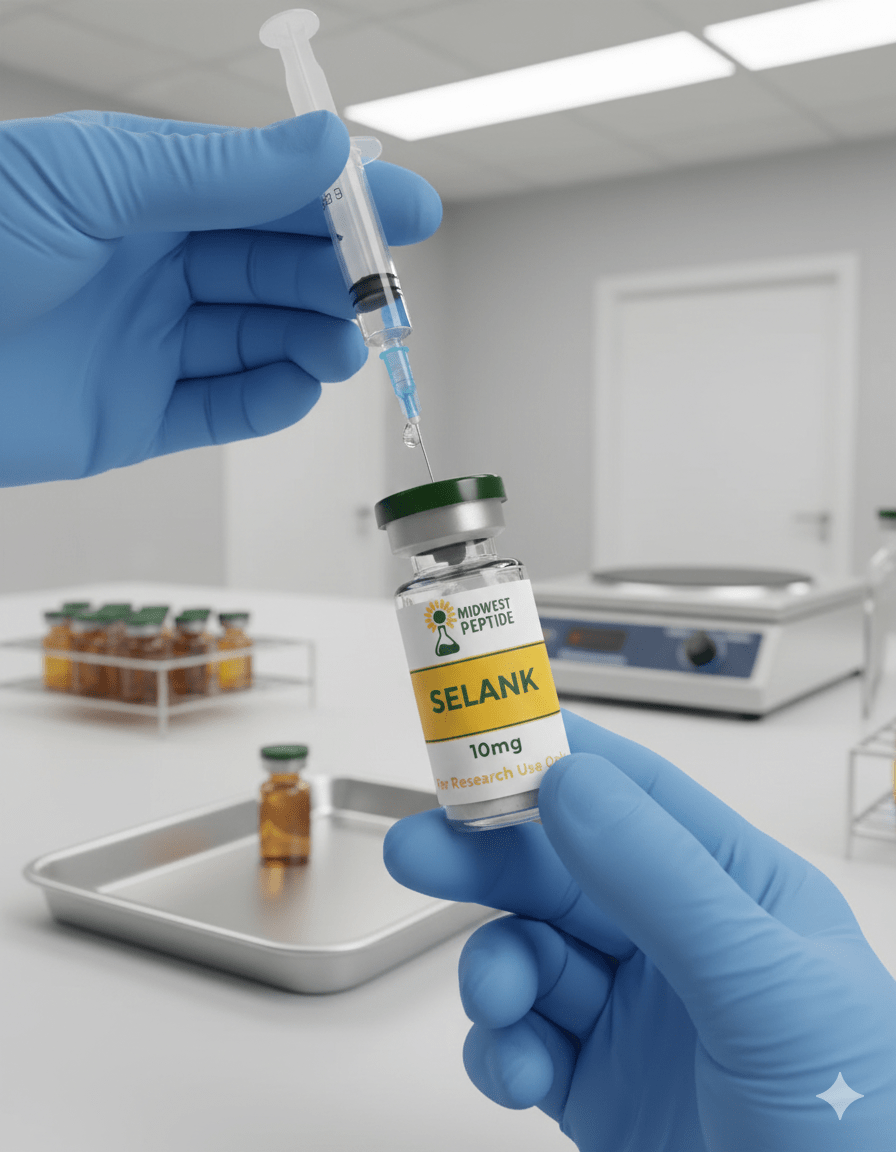
Reconstitution is the most critical phase of peptide handling. It is the moment the peptide is most vulnerable to mechanical stress and bacterial contamination. A standardized approach ensures a homogenous solution without compromising the peptide’s structural integrity.
Step-by-Step Reconstitution Guide
- Acclimation: Allow the vial to reach room temperature before opening. This prevents atmospheric moisture from condensing inside the vial.
- Sanitization: Swab the rubber stopper of the MT-1 vial and the diluent vial with 70% isopropyl alcohol.
- Diluent Selection: Use Bacteriostatic Water (0.9% benzyl alcohol) for research requiring multi-dose vials, or Sterile Saline if benzyl alcohol interferes with your specific cellular assay.
- The Gentle Pour: Aim the needle at the side of the glass wall. Let the liquid dribble down slowly. Never spray the diluent directly onto the lyophilized cake.
- Zero Agitation: Do not shake the vial. Gently swirl the vial in a circular motion until the powder is completely dissolved. If bubbles form, let the vial sit until the solution is clear.
Managing Reconstituted MT-1
Once MT-1 is in solution, its “shelf life” drops significantly. The peptide is now far more susceptible to heat and enzymatic action. Proper management of the liquid reagent is the difference between a successful study and a failed replication.
Stability of the Liquid Phase
Reconstituted MT-1 must be kept refrigerated at 2°C to 8°C. Even under these conditions, it is best used within 20 to 30 days. For labs conducting long-term experiments, the “aliquoting” method is highly recommended.
The Aliquoting Method
- Divide the freshly reconstituted solution into several smaller, single-use vials.
- Freeze these aliquots immediately.
- When it’s time for an experiment, thaw only one aliquot. This prevents the “freeze-thaw cycle” damage that occurs when a large vial is repeatedly warmed and cooled.
Laboratory Safety and Compliance
As a reminder, MT-1 provided by Midwest Peptide is for **Laboratory Research Use Only (RUO)**. It is not intended for human or veterinary use. Lab safety protocols—including the use of gloves, eye protection, and proper sharps disposal—should be strictly followed to prevent accidental exposure.
The Midwest Peptide Reliability Standard
We take the guesswork out of your starting material. Midwest Peptide ensures that every vial of MT-1 is vacuum-sealed and lyophilized to the highest industry standards, providing you with a stable foundation for your research.
- Vacuum-Sealed Vials: Prevents oxidation and moisture ingress during storage.
- Precision Fill: Every vial contains the exact milligram count stated, verified by gravimetric analysis.
- Midwest Logistics: Faster shipping times mean less time in transit and more time in your controlled storage environment.
“Consistency in the lab begins with consistency in handling. By following standardized reconstitution and storage protocols, researchers protect the integrity of their data and the value of their reagents.”
– Midwest Peptide Technical Support Team
Standardize Your Lab Protocols Today
Protect your research investment by implementing these handling standards. Whether you are studying melanogenesis in Minneapolis or DNA repair in Detroit, the quality of your science depends on the stability of your peptides. Trust Midwest Peptide for the high-purity MT-1 your laboratory deserves.
Contact our technical team for detailed COAs or guidance on specific buffer compatibilities for your next project.