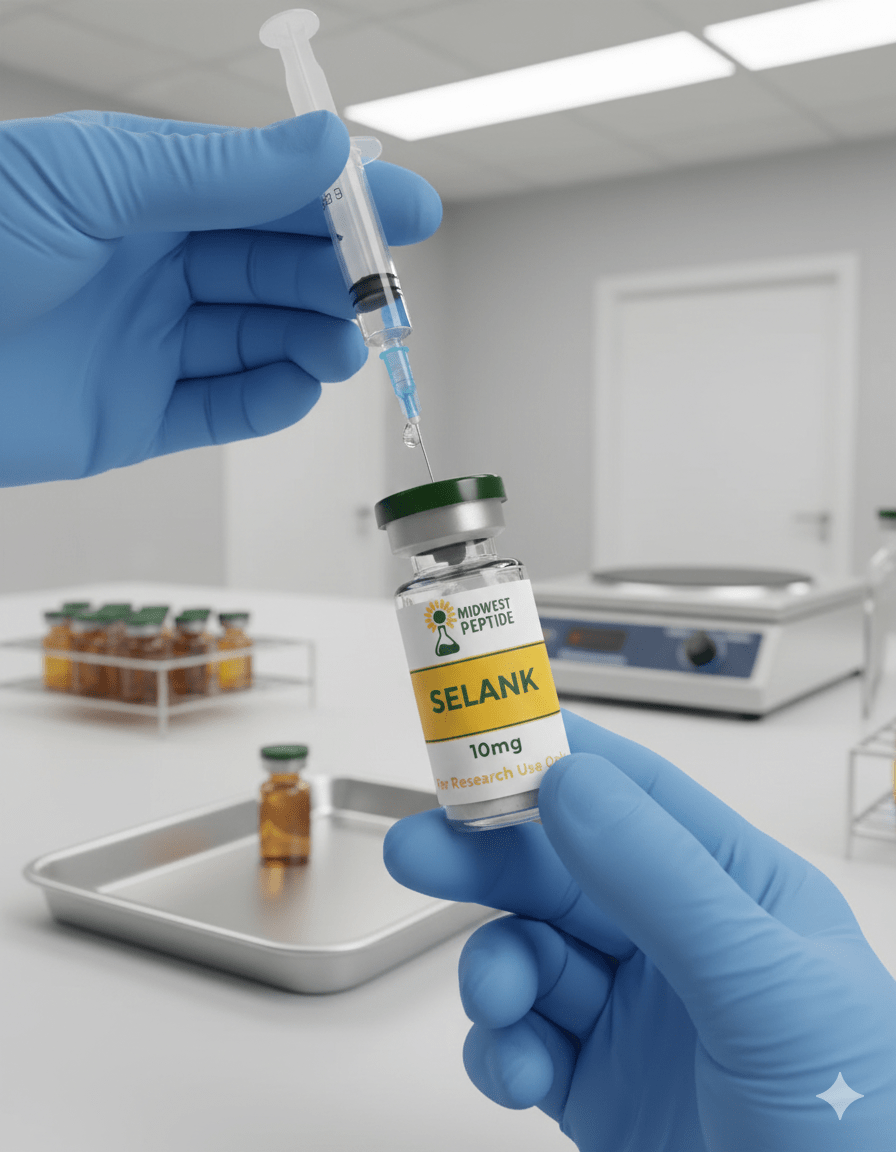
In the field of photobiology, the distinction between simple pigmentation (melanogenesis) and cellular defense (photoprotection) is a critical area of inquiry. Melanotan-1 (MT-1) serves as a unique research bridge between these two biological endpoints. While often categorized by its ability to stimulate pigment, the true research value of MT-1 lies in its potential to bolster the skin’s intrinsic defense mechanisms against ultraviolet (UV) radiation at a molecular level.
Melanogenesis: Beyond the Surface Level
Melanogenesis is the biochemical process by which melanocytes produce melanin. In a controlled laboratory environment, MT-1 is used to study the rate and quality of pigment synthesis. Unlike natural UV exposure, which triggers pigmentation via DNA damage, MT-1 initiates the process by directly bypassing the need for radiation-induced injury, allowing researchers to isolate the effects of MC1R activation.
Key Variables in Pigment Synthesis Research
- Eumelanin Density: MT-1 is studied for its ability to specifically favor the production of eumelanin, which is more chemically stable and protective than pheomelanin.
- Tyrosinase Activity: Researchers measure the upregulation of tyrosinase as the primary rate-limiting step in MT-1-induced melanogenesis.
- Cellular Distribution: Studying how synthesized melanin is transferred via melanosomes to surrounding keratinocytes.
- Baseline Variability: Investigating how different genetic backgrounds (MC1R variants) respond to standardized MT-1 concentrations.
Photoprotection: The Secondary Defense Mechanism
While melanogenesis provides a physical shield, photoprotection refers to the more complex biochemical resilience of the cell. Research into MT-1 suggests that its activation of the MC1R pathway does more than just “darken” the subject; it may proactively prepare the cell to handle oxidative stress and repair genetic mutations before they become permanent.
Analyzing DNA Repair Pathways
Current research models are exploring whether MT-1 signaling enhances the Nucleotide Excision Repair (NER) pathway. By increasing the efficiency of this pathway, cells may be better equipped to identify and excise “cyclobutane pyrimidine dimers” (CPDs)—the specific type of DNA damage caused by UVB rays. This makes MT-1 a high-value tool for studying the prevention of actinic damage.
MT-1 Research Potential in 2026
Applications in Photosensitivity Disorders
Much of the current academic interest in MT-1 focuses on its application in rare conditions like Erythropoietic Protoporphyria (EPP). Researchers use MT-1 to determine the threshold of light tolerance in subjects with compromised natural defenses. These studies provide foundational data on how synthetic melanocortins can alter biological responses to light intensity.
Anti-Inflammatory and Antioxidant Properties
Emerging data suggests that MT-1 may modulate the inflammatory response in the skin. By reducing the release of pro-inflammatory cytokines following UV exposure, MT-1 is being researched as a potential “biological buffer” that protects the skin’s structural integrity, specifically focusing on collagen and elastin preservation.
Experimental Design and Purity Standards
- In Vitro Modeling: Utilizing human melanocyte cultures to observe the dose-response relationship between MT-1 and melanin output.
- UV-Simulation Research: Using solar simulators to test the “protective factor” of MT-1-treated tissues vs. untreated controls.
- Chromatographic Validation: Ensuring that the MT-1 used is free of structural isomers that could bind to non-target receptors.
- Quantifiable Endpoints: Measuring success through spectrophotometry and immunohistochemistry to track pigment and protein changes.
The Midwest Peptide Commitment to Research Excellence
As research shifts toward more nuanced understanding of skin health, the purity of your MT-1 supply remains the most critical factor. Midwest Peptide provides high-fidelity, laboratory-grade peptides that allow researchers to distinguish between true MC1R signaling and artifactual data caused by impurities.
- Consistent Potency: Every batch is tested to ensure precise molecular weight and sequence.
- Reliable Supply: Catering to independent labs and academic institutions across the Midwest.
- Scientific Transparency: Full access to technical data and purity verification for every order.
“The goal of modern peptide research is to move beyond superficial outcomes. By isolating the photoprotective qualities of MT-1, we are looking at the future of cellular resilience.”
– Midwest Peptide Research Division
Expand Your Laboratory Discovery
Whether your focus is on the enzymology of tyrosinase or the molecular genetics of DNA repair, MT-1 remains a versatile and powerful research reagent. Explore the dual potential of melanogenesis and photoprotection with peptides that meet the highest standards of scientific rigor.
Serving the research community from Columbus to Des Moines and beyond, Midwest Peptide is your partner in advancing the science of melanocortins.