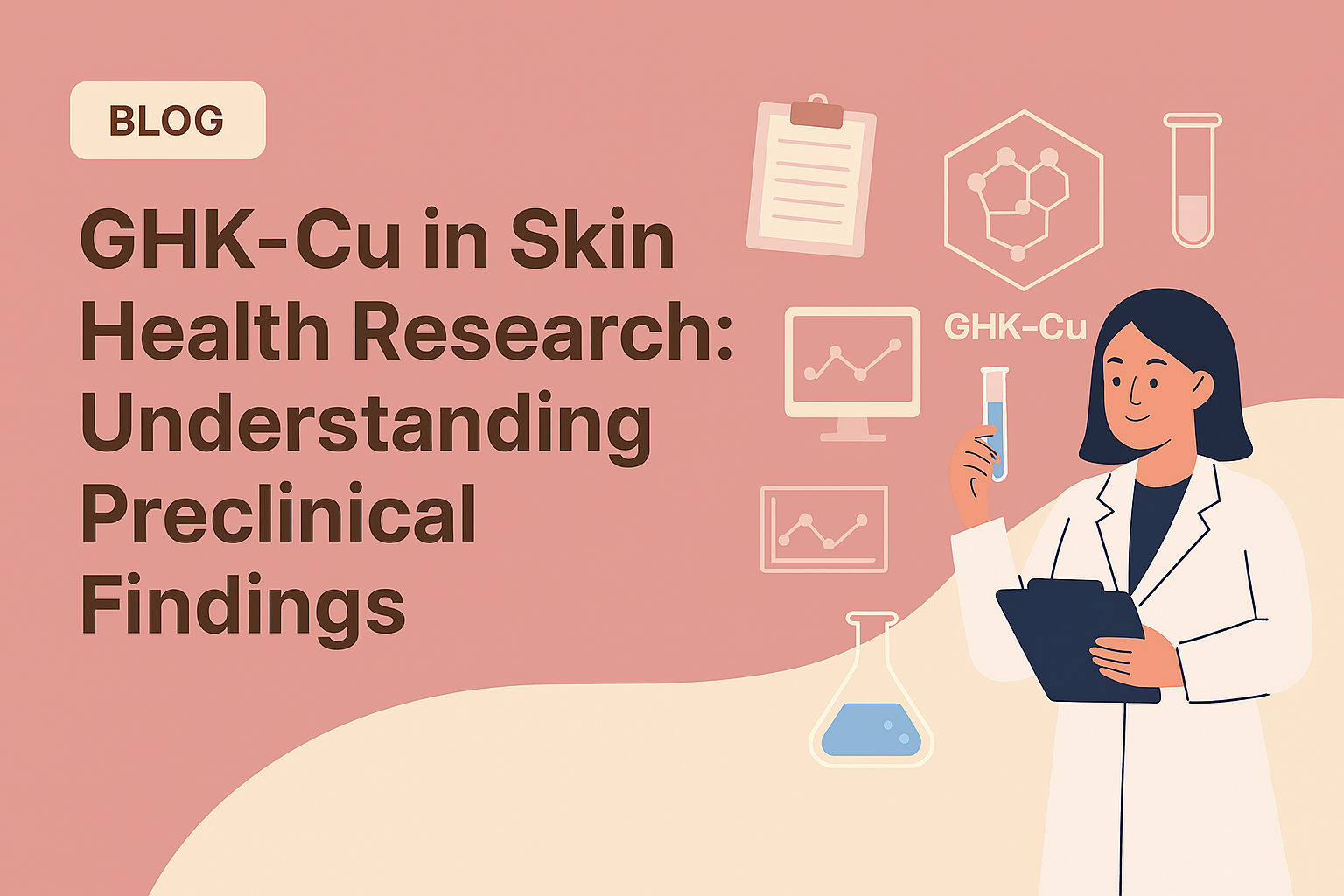
GHK-Cu, a copper-binding peptide that occurs naturally in the human body, has been the subject of significant scientific interest for its potential biological effects in skin-related research. While not approved for cosmetic or therapeutic use, GHK-Cu continues to be used in laboratory settings to investigate how it may influence skin structure, cellular activity, and extracellular matrix regeneration.
The Role of GHK-Cu in Skin Structure and Rejuvenation: Lab Observations
Research models suggest that GHK-Cu may help support skin structure by promoting processes related to collagen, elastin, and glycosaminoglycan synthesis. Preclinical studies provide a clearer picture of how this peptide may function at the cellular level.
Preclinical Findings in Skin Models
- Improved Collagen Networks: In vitro studies have demonstrated increased collagen production in skin cells exposed to GHK-Cu.
- Enhanced Elasticity: Laboratory models indicate a potential increase in elastin fiber formation.
- Tissue Density Support: Observations of thicker, more structured extracellular matrices in treated samples.
- Cellular Repair: Accelerated repair responses in experimentally induced skin cell damage.
Researching GHK-Cu in the Context of Skin Aging
Aging skin is often characterized by reduced collagen and elastin levels, increased oxidative stress, and slower regenerative responses. GHK-Cu has shown potential in laboratory studies for targeting several of these processes at once.
GHK-Cu and Extracellular Matrix Support
- Collagen Boost: GHK-Cu-treated cells show elevated levels of collagen type I and III mRNA expression.
- Elastin Stimulation: Some studies have reported increased elastin synthesis when GHK-Cu is present in cell cultures.
- Glycosaminoglycan Balance: Research suggests positive effects on hyaluronic acid and other hydrating compounds that support skin firmness.
Antioxidant and Anti-inflammatory Properties
In preclinical research, GHK-Cu has been linked to the activation of antioxidant defense systems such as superoxide dismutase (SOD). These findings suggest potential protective outcomes against oxidative stress in skin cells.
Key Lab Findings
- Free Radical Scavenging: Increased activity in enzymes associated with oxidative protection.
- Reduction of Pro-inflammatory Markers: Lab studies report decreased cytokine expression under GHK-Cu influence.
- DNA Repair Enzyme Activation: Preliminary studies show upregulation of repair proteins in irradiated cells.
GHK-Cu and Skin Cell Regeneration Research
Skin regeneration is often studied using cell culture models involving keratinocytes, fibroblasts, and stem cells. In vitro data indicates that GHK-Cu may assist in replication and viability under controlled conditions.
- Keratinocyte Health: Tested cells show improved resistance to oxidative damage and UV stress.
- Fibroblast Proliferation: More active fibroblasts have been observed in peptide-treated cultures.
- Stimulation of Stem Cells: Some research suggests that GHK-Cu may enhance activity in adult stem cell populations.
Uses in Lab-Scale Skin Damage Models
GHK-Cu is frequently studied as a possible agent for accelerating recovery from experimental skin damage, including burns, abrasions, and laser exposure.
- Reduced Scarring: Rats treated with GHK-Cu showed lower scar elevation indices in certain wound studies.
- Accelerated Healing: Smaller wound areas and faster closure times were noted in some preclinical models.
- Enhanced Collagen Organization: Collagen fibers appeared denser and more aligned post-treatment.
Regulatory Status and Research-Only Use
Despite promising laboratory results, GHK-Cu is not approved by the FDA or any international cosmetics or medical regulatory body. The peptide is intended solely for laboratory research use in controlled in vitro or preclinical model environments. No claims are made regarding human use or clinical outcomes.
Conclusion: GHK-Cu as a Scientific Tool for Skin Research
With observed support for collagen synthesis, antioxidant activity, and tissue repair, GHK-Cu continues to gain attention as a model molecule in skin-focused preclinical research. Ongoing investigations will help clarify the scope and limitation