CJC-1295 is available in two primary forms for research purposes: No DAC (without Drug Affinity Complex) and DAC (with Drug Affinity Complex). Both variants are widely used in laboratories studying growth hormone–related pathways, but each has unique properties that make them suited for different experimental designs. Understanding these differences helps researchers select the most appropriate peptide for controlled studies.
Structural Differences Between No DAC and DAC Variants
The DAC component in CJC-1295 extends the peptide’s half-life by binding to serum albumin, resulting in prolonged exposure in experimental settings. In contrast, the No DAC variant lacks this complex, leading to a shorter half-life and faster clearance. Researchers can leverage these properties depending on whether they need prolonged or time-sensitive signaling activity for their study design.
Key Research Implications of Each Variant
- No DAC: Short half-life allows precise timing and repeated-measure experiments.
- DAC: Prolonged activity supports studies requiring extended receptor activation.
- Controlled Signaling: No DAC provides sharper temporal resolution for pathway analysis.
- Long-Term Observation: DAC is suitable when sustained growth hormone receptor engagement is desired.
Mechanistic Considerations in Laboratory Studies
Both CJC-1295 variants act as growth hormone–releasing hormone (GHRH) analogs, stimulating pulsatile growth hormone release. However, the timing, intensity, and duration of signaling differ significantly due to the DAC structure. Researchers must consider these factors when designing assays, selecting measurement intervals, and interpreting results in receptor binding or downstream signaling studies.
Experimental Scenarios for Each Variant
- No DAC: Ideal for short-duration studies, rapid signaling analysis, or repeated dosing protocols.
- DAC: Suited for long-term pathway activation studies, sustained receptor engagement, or experiments requiring gradual peptide clearance.
- Combination Studies: Researchers may pair No DAC with other peptides like Ipamorelin to study interaction effects in transient conditions.
- Comparative Analysis: Evaluates how peptide structure impacts receptor response and signaling efficiency.
Handling and Storage for Research Accuracy
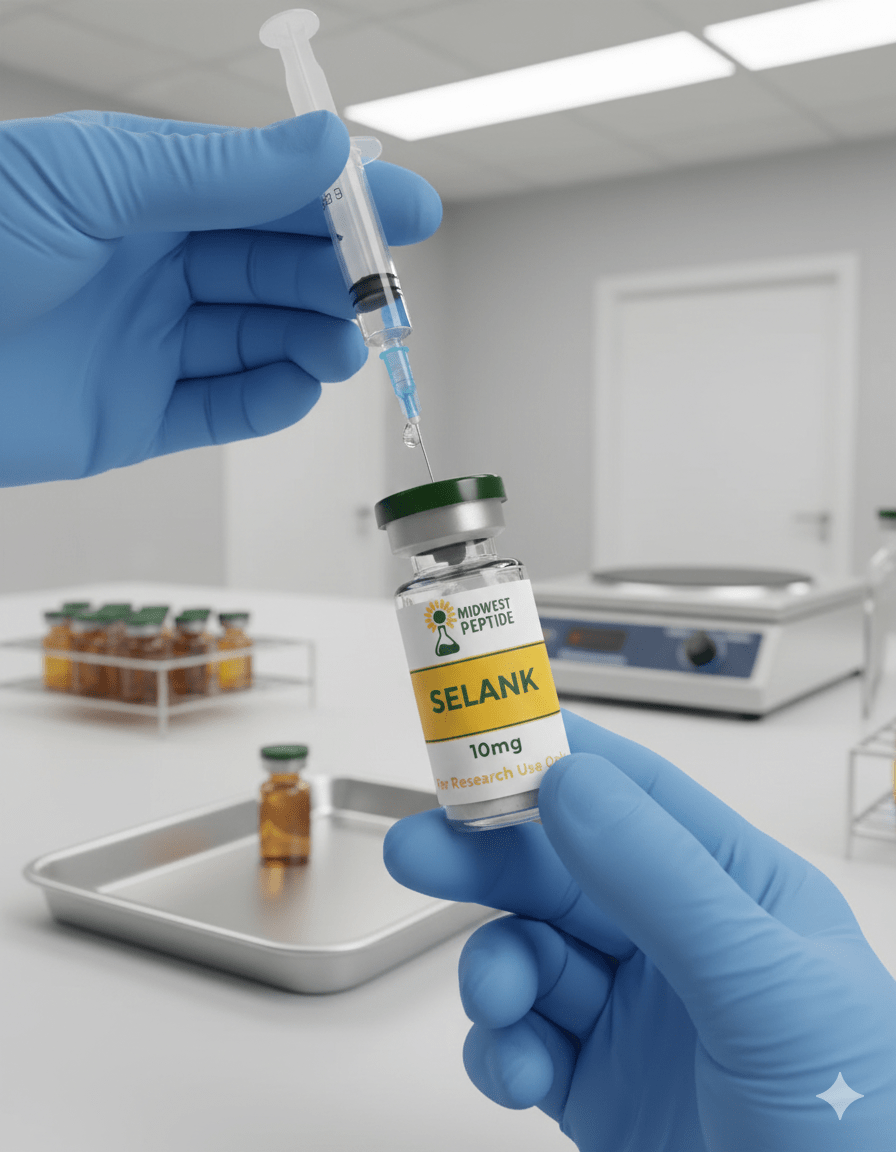
Proper handling is essential for both variants to ensure reliable and reproducible results. Both CJC-1295 DAC and No DAC are typically supplied as lyophilized powders. Strict adherence to laboratory protocols for storage, reconstitution, and documentation preserves peptide integrity and supports experimental consistency.
- Temperature Control: Store in a dry, cool environment prior to reconstitution.
- Sterile Reconstitution: Follow laboratory best practices for contamination-free preparation.
- Experimental Documentation: Record every preparation and handling step for reproducibility.
- Stability Monitoring: Observe and log peptide stability over the course of the study.
Who Benefits From Choosing the Right Variant
- Laboratories conducting growth hormone pathway research
- Scientists modeling receptor kinetics and peptide signaling
- Institutions evaluating peptide combination or synergy effects
- Researchers requiring precise timing or extended receptor activation experiments
Why Variant Selection Matters in Research
Choosing between No DAC and DAC impacts both experimental design and data interpretation. No DAC’s short activity is ideal for controlled, repeatable measurements, while DAC’s extended presence provides long-term receptor engagement. Understanding these differences ensures researchers can align peptide selection with their experimental goals and maximize reproducibility.
Research-Only Compliance Standards
Both forms of CJC-1295 are strictly intended for laboratory research and in vitro experimentation. They are not approved for human or veterinary use, and they are not designed for clinical, therapeutic, or diagnostic applications. All handling must follow institutional safety guidelines and applicable regulatory requirements.
“Understanding the differences between DAC and No DAC allows researchers to choose the peptide best suited for their experimental design and obtain reliable, reproducible results.”
Designing Experiments With Confidence
By carefully selecting between CJC-1295 No DAC and DAC, research teams can optimize assay timing, receptor engagement, and pathway analysis. This flexibility supports reproducible results and provides deeper insight into growth hormone signaling mechanisms within laboratory models.
For laboratories focused on growth hormone–related research, both DAC and No DAC variants offer reliable, research-compliant options that support controlled, high-quality in vitro studies.